Lululemon vs. Costco: The Legal Battle Against Dupes
By Sarah Rathore*
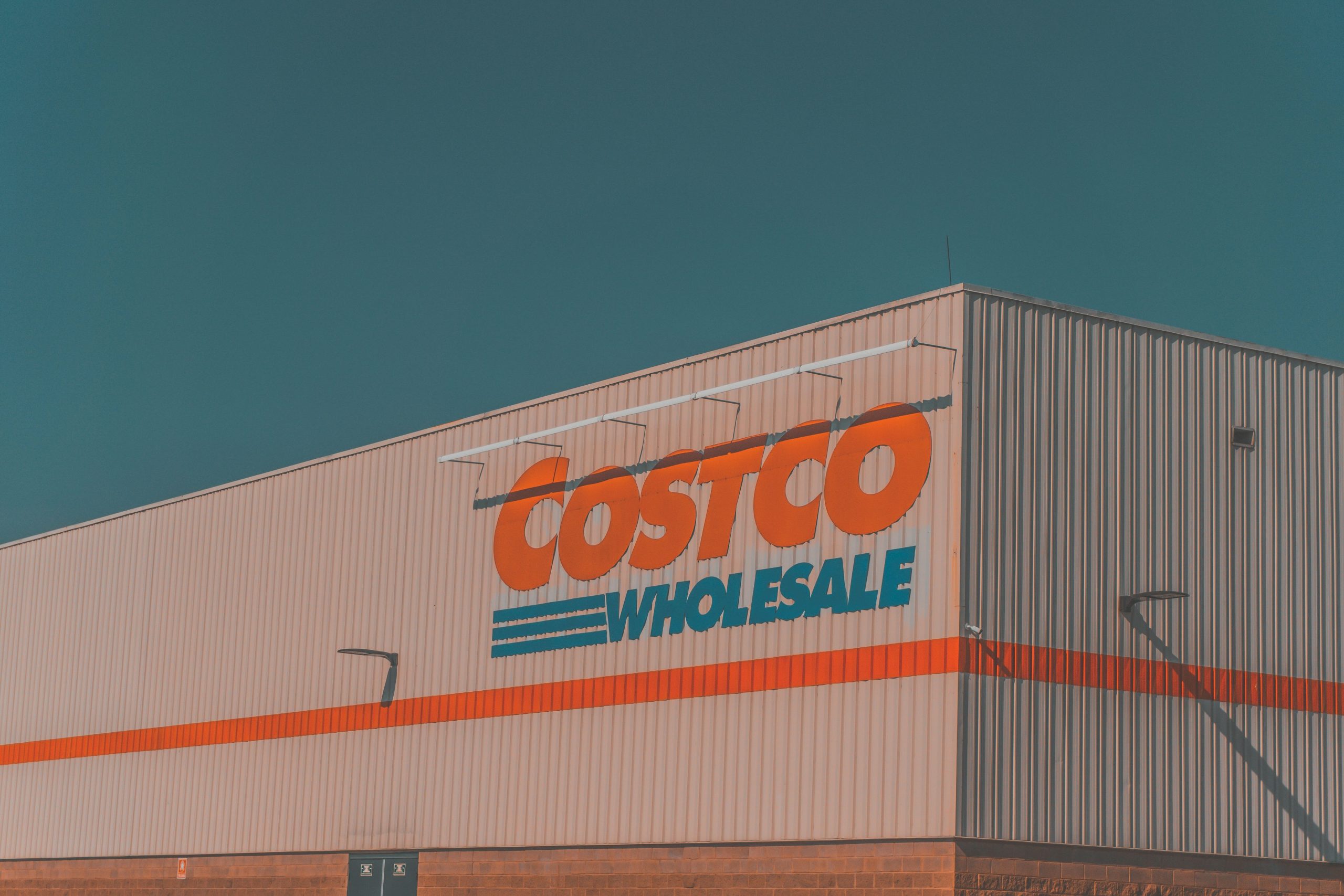
In July 2025, Lululemon sued Costco, alleging that the company was copying their signature designs and selling them under the Kirkland Signature Brand.1 This recent case reflects a rise in litigation targeting dupes in the retail industry.2 While dupes are not a new phenomenon, demand for them has recently increased because of “dupe culture” on social media, signaling customers may want a taste of luxury without having to dish out the big bucks.3 Companies’ pushback against dupes raises the question: Is this litigation beneficial for brand protection or harmful for consumers?
In its lawsuit against Costco, Lululemon is suing for trade dress infringement, alleging that Costco is misleading consumers into thinking its dupes are genuine Lululemon products.4 The Lululemon products mentioned in the lawsuit include “Scuba” hoodies, “ABC” pants, and “Define” jackets.5 While a “Scuba” hoodie can go for $99-$118, Costco’s respective dupe costs only $8.6 Lululemon claims an “ordinary observer” would not be able to differentiate between the two brands’ items, and thus, Costco’s trademark infringement is causing significant harm to their brand.7 To establish trade dress infringement, Lululemon needs to first prove the “trade dress” being infringed is distinctive and not functional, and then show that Costco’s use is likely to cause customer confusion, which is assessed using several DuPont factors.8 Lululemon claims that Costco’s uses synthetic material similar to its own, offers products in a color Lululemon uses, and copies the triangle shaped gusset found in Lululemon’s ABC pants.9 Experts believe Lululemon’s strongest argument is to prove likelihood of confusion for customers, as Costco often works with manufacturers of popular brands for its own line of clothing.10
However, there has been rare success in trade dress infringement claims despite the recent increase in cases.11 For example, in e.l.f Cosmetics v. Benefit, Benefit claimed e.l.f’s “Lash ‘N Roll” mascara had copied the name, curved mascara applicator, and overall look of their “Roller Lash” mascara.12 The court denied Benefit’s trade dress infringement claim, emphasizing that similarity alone was insufficient and customers would not be confused because they were well-informed enough to know they were purchasing a cheaper alternative.13 Nevertheless, litigation against dupes continues, with Richemont’s current action against Malidani for replicating specific Cartier and Van Cleef jewelry and Coach’s pending suit against Quince for copying certain design features on its handbags.14 Internationally, courts in the EU and UK are taking harsher stances against dupes, prioritizing the protection of original brands’ intellectual property rights.15
The rise of “dupe culture” can be attributed to Gen Z, as they have made dupes mainstream and grown the “#dupe movement” on social media.16 While previous generations purchased dupes to pass them off as the real thing, nowadays some young customers choose dupes even when they can afford genuine designer brands, with nearly a third of U.S. adults saying they purposely bought a dupe of a luxury product.17 Market experts say brands should “lean in” and use this as an opportunity to strengthen their brand image. Interestingly enough, Lululemon did just that in 2023, when the company participated in a “dupe swap”, offering customers who had just bought a dupe of their Align tights an opportunity to swap it in-store for the actual product.18 This went viral on social media, and half of the 1000 people who showed up to the swap were new customers.19
Given that litigation against dupes is rarely successful and customers are happy with a cheaper alternative, is this litigation beneficial in protecting the brand or is it harming consumers? Litigation against dupes could harm customers by limiting their options and forcing them to pay for the luxury item when they may not be able to afford it.20 For example, Costco’s Lululemon dupes give people an affordable alternative to an expensive luxury item.21 Additionally, while companies claim they are trying to protect their brand, the reality of this litigation shows it may not truly be beneficial. Looking at the elements needed to prove trade dress infringement, “likelihood of customer confusion” is a main prong.22 But if customers are knowingly buying “dupes” and “knockoffs”, then it would be difficult to prove they are confused about which one is the real thing. This echoes the court’s decision in the Benefit case, where Benefit lost because customers knew what they were buying and trademark law does not prohibit close competition unless it is misleading consumers.23 The court’s decision illustrates how litigation against dupes is unlikely to be successful. Instead of engaging in costly litigation, is it better for brands to instead “lean into” dupe culture like Lululemon did in the past and strengthen their brand image?24
* J.D. Candidate, Class of 2027, Sandra Day O’Connor College of Law at Arizona State University.
- Alana Wise, Lululemon Sues Costco, Alleging it Sells Fashion Dupes, NPR (July 1, 2025, at 2:53 PM ET), https://www.npr.org/2025/07/01/nx-s1-5453696/lululemon-costco-lawsuit-fashion-knockoffs-dupes#:~:text=Lululemon%20sues%20Costco%2C%20alleging%20it%20sells%20fashion%20dupes%20:%20NPR&text=Lululemon%20sues%20Costco%2C%20alleging%20it%20sells%20fashion%20dupes%20The%20athleisure,club%20giant’s%20Kirkland%20Signature%20brand. ↩︎
- Dr. Sonja Hoffman, Michael Evans, Anna B. Naydonov, Anna-Leva Zimmermann, Tiffany Arosemena, Rosie Norwood-Kelly & Aliya Manji, Client Advisory- Trends in Dupes & Super-Fakes in Luxury Retail, White & Case (Jan. 9, 2026), https://www.whitecase.com/insight-alert/client-advisory-trends-dupes-super-fakes-luxury-retail. ↩︎
- Wyatte Grantham-Phillips & Anne D’Innocenzio, Lululemon’s Lawsuit Against Costco Highlights The Rise of Fashion ‘Dupes’, Associated Press(July 2, 2025, at 5:12 am MST) https://apnews.com/article/costco-lululemon-birkin-fashion-dupes-tiktok-2def75bcaf37e81ccb0065fe67b82101. ↩︎
- Kate L. Dargan & Moish E. Peltz, Successful Dupe or Design Theft? Lululemon and Costco Face Off in Trade Dress Dispute, FRB Law (Jul. 21, 2025), https://frblaw.com/successful-dupe-or-design-theft-lululemon-and-costco-face-off-in-trade-dress-dispute/. ↩︎
- Ramon Padilla & Carlie Procell, Lululemon vs. Costco: How the Designs of Items in ‘dupes’ Lawsuit Compare, USA Today (Jul. 24, 2025, at 8:59 am ET), https://www.usatoday.com/story/graphics/2025/07/23/lululemon-costco-lawsuit-item-comparison/85337434007/. ↩︎
- Id. ↩︎
- Id. ↩︎
- Dargan & Peltz, supra note 4. ↩︎
- Id. ↩︎
- Id. ↩︎
- Id. ↩︎
- Brooks Kushman, Dupes, Not Counterfeits: Why Look-Alike Products Are the Trademark Battleground of 2026, JDSupra (Feb. 13, 2026), https://www.jdsupra.com/legalnews/dupes-not-counterfeits-why-look-alike-3281527/ ↩︎
- Id. ↩︎
- Hoffman, Evans, Naydonov, Zimmermann, Arosemena, Norwood-Kelly & Manji, supra note 2. ↩︎
- Id. ↩︎
- Amelia Hill, Counterfeit Goes Cool: High-end Brands Urged to Embrace Rise of #Dupe, The Guardian (May 20, 2024, at 2:00 EDT), https://www.theguardian.com/media/article/2024/may/20/counterfeit-cool-high-end-brands-urged-embrace-dupe. ↩︎
- Id. ↩︎
- Id. ↩︎
- Id. ↩︎
- See Alexis Theoharidis, The Devil Wears Dupes: Legal Implications of “Dupe Culture” in the Fashion Industry and How Trademark Law Should Adapt, 9 BUS. ENTREPRENEURSHIP & TAX L. REV. 213 (2025). https://scholarship.law.missouri.edu/betr/vol9/iss1/12. ↩︎
- See Padilla & Procell, supra note 5. ↩︎
- Dargan & Peltz, supra note 4. ↩︎
- Kushman, supra note 12. ↩︎
- Id., see Hill, supra note 16. ↩︎
Related Posts

No Smoke, No Problem: The FDA and the Rise of Nicotine Pouches

“Rotten to Its Core?” What the Apple v. OpenAI Lawsuit Signals for the Future of Trade Secrets, Data Protection, and Human Capital